
Table of Contents
What is Cortical Blindness?
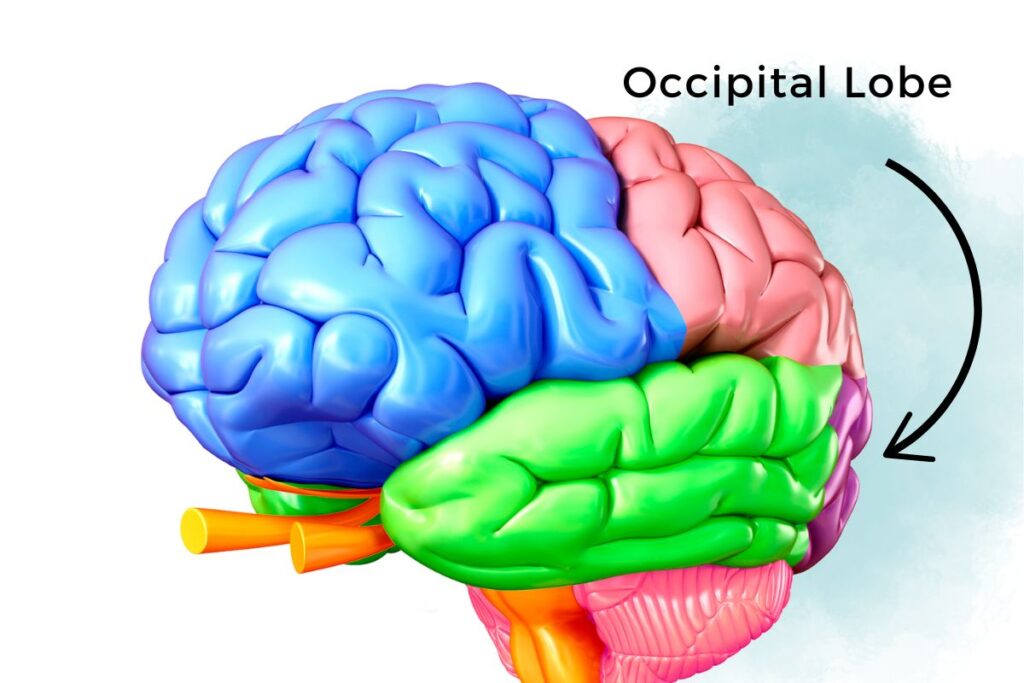
.Cortical Blindness is a condition in which vision is lost because of damage to the *visual cortex (occipital cortex)* of the brain, despite the eyes themselves remaining structurally normal.
In most cases:
.* The eyes appear normal
* The retina may function normally
* Pupils still react to light
* Yet the patient experiences significant visual loss or blindness

*Cortical blindness is loss of vision caused by bilateral damage to the occipital cortex despite structurally normal eyes and preserved pupillary reflexes.*
The occipital cortex, located in the back part of the brain, is responsible for interpreting visual information received from the eyes. When both occipital lobes are damaged (bilateral occipital lobe involvement), cortical blindness may occur.
mcorper mattis, pulvinar dapibus leo
.
Cortical blindness is loss of vision caused by bilateral damage to the occipital cortex despite structurally normal eyes and preserved pupillary reflexes.
Understanding Occipital Lobe Damage and Visual Field Loss
.When damage affects *only one occipital lobe (unilateral lesion)*, complete blindness usually does not occur. Instead, a characteristic visual field defect may develop:
Contralateral Macular Sparing Congruous Homonymous Hemianopia
Although the term sounds complex, it can be understood step by step.
Homonymous Hemianopia
.Homonymous Hemianopia refers to loss of the same side of the visual field in both eyes.
.
For example:
* Loss of the right visual field in both eyes
OR
* Loss of the left visual field in both eyes
Contralateral Meaning
“Contralateral” means the lesion occurs on the opposite side of the visual deficit.
For example:
* Loss of the right visual field → damage in the left occipital lobe
* Loss of the left visual field → damage in the right occipital lobe