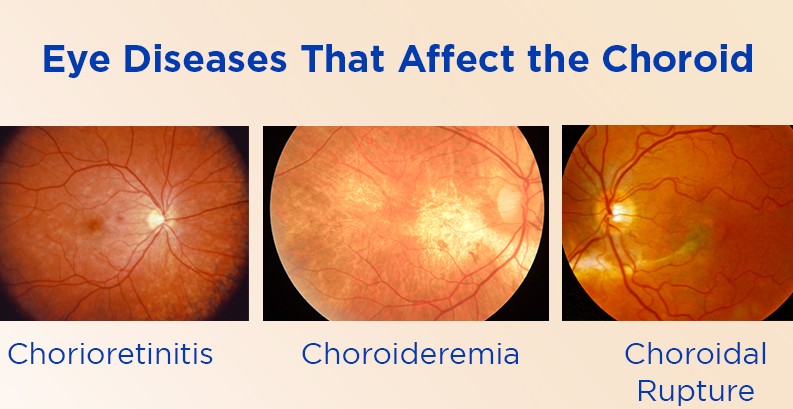
.Choroiditis refers to the inflammation of the choroid, a part of the eye. In medical terminology, any word ending with “-itis” indicates inflammation, and here it signifies swelling of the choroid layer.
The eyeball has three main layers
Outer Layer – Sclera: The tough, white, fibrous outer covering of the eye.
Middle Layer – Uveal Tract (Vascular Layer): This layer is rich in blood vessels and
Innermost Layer – Retina: The light-sensitive layer responsible for vision.
The choroid lies between the retina and the sclera, like a sandwich. Because it is a highly vascular structure, it supplies oxygen and essential nutrients to the retina. This makes the choroid extremely important for maintaining healthy vision.
When the choroid becomes inflamed due to any reason, the condition is known as Choroiditis. It is also commonly referred to as Posterior Uveitis.
In the following sections, we will discuss the types, causes, and symptoms of choroiditis, along with its homeopathic management.
If you want, I can also help you complete the entire blog with types, causes, symptoms, diagnosis, treatment, and homeopathic remedies
Types of Choroiditis
Choroiditis can occur in different forms depending on the underlying cause and the pattern of inflammation. Major types include:
1. Infectious Choroiditis
This type is caused by infections. It may involve:
In this type, the body’s own immune system mistakenly attacks the eye tissues, causing inflammation. Conditions that may be associated include:
Sarcoidosis
Vogt–Koyanagi–Harada (VKH) syndrome
Behçet’s disease
Autoimmune uveitis
3. Multifocal or Diffuse Choroiditis
nflammation occurs in multiple areas of the choroid rather than a single spot. It is seen in: Multifocal choroiditis Punctate inner choroidopathy Birdshot chorioretinopathy
4. Serpiginous Choroiditis
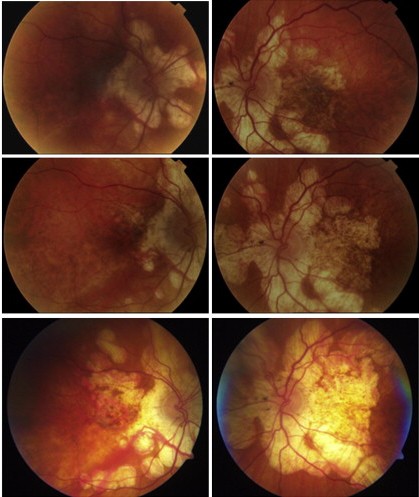
A chronic, recurrent form where inflammation spreads in a snake-like (serpiginous) pattern across the choroid and retina.
A sudden-onset inflammatory condition affecting the retina and choroid, often following a viral illness. Causes of Choroiditis Choroiditis can arise from many underlying factors. Major causes include:
1. Infectious Causes
Syphilis
Herpes virus
Cytomegalovirus (CMV)
Fungal infections (especially in immunocompromised people)
2. Autoimmune and Inflammatory Causes
Autoimmune disorders that attack eye tissues
Systemic conditions like:
Sarcoidosis
Behçet’s disease
VKH syndrome
Rheumatoid arthritis or similar autoimmune diseases
3. Post-viral or Post-infectious Reaction
Sometimes choroiditis develops as a reaction after a viral fever or infection, even when the virus is no longer present.
4. Idiopathic Causes
n many cases, the exact cause is unknown. This is called idiopathic choroiditis.
5. Trauma
Direct injury to the eye can sometimes trigger inflammation in the choroid.
6. Immunosuppression
People with weak immune systems (HIV/AIDS, long-term steroid use, chemotherapy) are at higher risk of infectious choroiditis.
Symptoms of Choroiditis
Choroiditis symptoms vary depending on the severity and affected area, but commonly include:
1. Blurred or Distorted Vision
Objects may appear fuzzy, wavy, or unclear.
2. Floaters
Black spots, threads, or cobweb-like shapes drifting in the field of vision.
3. Photophobia (Light Sensitivity)
.Bright light may cause discomfort, pain, or tearing.
4. Reduced Vision
Partial loss of vision or dimness, especially if the retina is affected.
5. Eye Pain or Discomfort
.Pain may be mild or moderate, depending on the cause.
6. Dark or Blind Spots (Scotomas)
small areas of missing vision in the central or peripheral field.
7. Color Vision Changes
Colors may appear dull or faded due to retinal involvement.
Diagnosis of Choroiditis
Accurate diagnosis is essential because choroiditis can lead to permanent visiondamage if not treated early.
1. Eye Examination
.Lorem ipsum dolor sit amet, consectetur adipiscing elit. Ut elit tellus, luctus nec ullamcorper mattis, pulvinar dapibus leo
2. Optical Coherence Tomography (OCT)
Provides a high-resolution image of the retina to detect swelling or fluid.
3. Fundus Fluorescein Angiography (FFA)
A dye test that shows blood flow and inflammation in the retina and choroid.
4. Ultrasound of the Eye (B-scan)
Used when the view of the retina is unclear due to haze or bleeding.
5. Blood Investigations
To identify:
Infections (TB, syphilis, toxoplasmosis)
Autoimmune markers
Inflammatory diseases
6. Imaging
Chest X-ray or CT scan if sarcoidosis or TB is suspected. A correct diagnosis helps determine whether the choroiditis is infectious or non-infectious, which is crucial for ideal treatment.
Homeopathic Approach to Choroiditis
Homeopathic Approach to Choroiditis Homeopathy aims to reduce inflammation, control symptoms, prevent recurrences, and strengthen the immune response. It focuses on the individual’s total .health rather than just the disease
Goals of Homeopathic Treatment
Reduce inflammation in the choroid
Improve retinal and choroidal circulation
Minimize floaters and blurred vision
Prevent further damage and relapses
Treat underlying causes (autoimmune tendency or post-infectious response)
Commonly Used Homeopathic Remedies (Note: Remedies should always be prescribed after case-taking by a qualified homeopath.)
Role of Constitutional Treatment
A constitutional remedy helps improve immunity and reduce the risk of recurrence. This is especially important in autoimmune or idiopathic choroiditis
A constitutional remedy helps improve immunity and reduce the risk of recurrence. This is especially important in autoimmune or idiopathic choroiditis. Lifestyle & Supportive Care Avoid bright lights; use protective glasses Maintain good general immunity Regular eye check-ups Early treatment for systemic infections
Choroiditis Treatment at Dr. Tanzeem Siraj’s Homoeopathy Care Centre
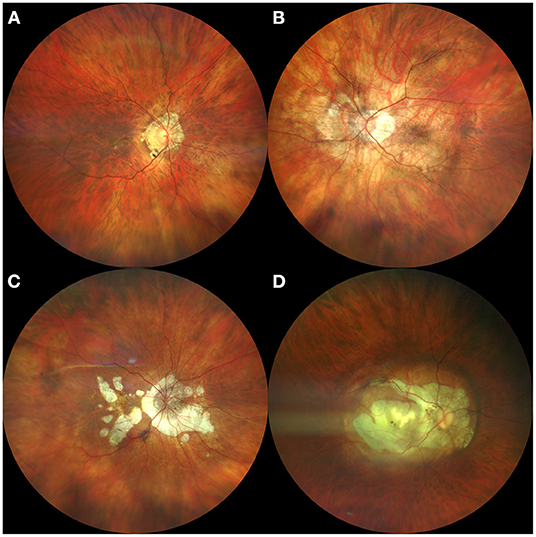
At Dr. Tanzeem Siraj’sHomoeopathy Care Centre, we provide a gentle, effective, and holistic approach for patients suffering from Choroiditis. With 6–7 years of neuro and ophthalmic clinical experience, I have seen many cases where homeopathic treatment has helped patients significantly. Understanding How Choroiditis Progresses In many patients, choroiditis may begin in one eye, and after some time, it may also involve the other eye. During a fundus examination, doctors often see unusual patches or spots caused by inflammation. These patches indicate damage, which we call scarring. Although homeopathy may not completely erase old scars, it prevents new scarring and controls further inflammation very effectively.
How Homoeopathy Helps
.Our homeopathic treatment focuses on:
Reducing inflammation inside the eye
Improving visual activity and clarity
Preventing further damage to the retina and choroid
Stopping recurrence of swelling
Strengthening immunity so the disease does not spread from one eye to the other
Many patients come to us after trying long-term steroids, injections, or allopathic medicines. Even after these treatments, they may still experience discomfort, floaters, or repeated flare-ups.
In such cases, homeopathy offers a safe and effective alternative.
Why Choose Us for Choroiditis Care?
Individualized homeopathic prescriptions
Focus on both local eye inflammation and the patient’s overall immunity
No side effects like those associated with steroids
Long-term control of posterior uveitis symptoms
Prevention of future flare-ups
If you are experiencing persistent internal eye inflammation, or your symptoms are not improving despite conventional treatments, then homeopathy can be a reliable option for you.
You are welcome to consult Dr. Tanzeem Siraj’s Homoeopathy Care Centre for a personalized and effective treatment plan for Choroiditis.
Conclusion
Choroiditisis a serious eye condition that requires timely attention to prevent long-term vision damage. While conventional treatments like steroids and injections may provide temporary relief, many patients continue to experience recurring inflammation and discomfort. Homeopathy offers a holistic and gentle approach by not only reducing inflammation but also strengthening the immune system and preventing future flare-ups.
With the right guidance and individualized treatment, patients can experience significant improvement in visual clarity and overall eye health. At Dr. Tanzeem Siraj’s Homoeopathy Care Centre, we aim to provide safe, effective, and long-term management for Choroiditis, helping patients protect their vision and achieve better quality of life.
Call to Action If you or someone you know is struggling with Choroiditis, persistent eye inflammation, floaters, or reduced vision — even after allopathic treatment — don’t wait for the condition to worsen.
✨ Take the first step towards better eye health today!
📞 Book your consultation at Dr. Tanzeem Siraj’s Homoeopathy Care Centre and receive a personalized, holistic treatment plan tailored to your condition.
Your vision is precious — let us help you protect it naturally and safely.

Good 👍
Good explanation
good 👍 expplain